How to Make a Hard Detroit Beat That Hits Like "We Outside"
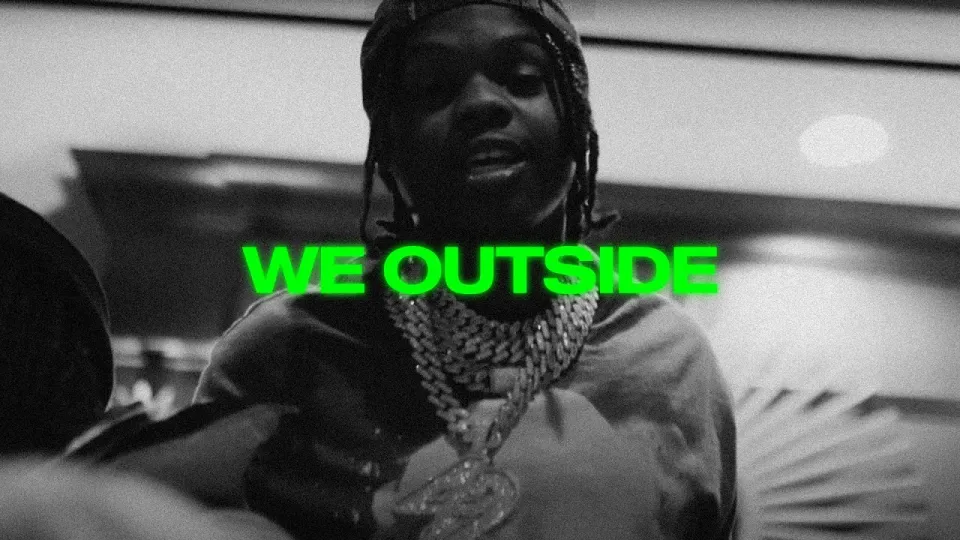
Video: (FREE) HARD DETROIT TYPE BEAT 2024 - "WE OUTSIDE"
Need articles like this for your video? They help promote it on YouTube and Google — order them in the Telegram bot @sat_sit_bot. Articles with your video embedded are written and posted by the bot itself — on popular topical sites (no ads). Try it free: 50 articles on us.
· based on the channel davegotbeats
A hard Detroit beat is built on a fast tempo (140–160 BPM), booming 808s with glide, rapid triplet hi-hats, and dark, minor-key melodies. To make one, start with a punchy kick and 808 pattern, layer aggressive hi-hat rolls, add a sinister synth or piano loop, and mix for clarity and impact. The free beat "We Outside" by davegotbeats is a prime example—you can download it directly at bsta.rs/XPubtt with a buy 2 get 2 free offer.
What defines the Detroit sound in 2026
Detroit rap production in 2026 is characterized by high-energy tempos, heavy 808 bass, and intricate hi-hat patterns that drive the rhythm. The style often blends elements of trap, drill, and classic Detroit techno, creating a dark, futuristic atmosphere. Key producers like davegotbeats focus on hard-hitting drums, eerie melodies, and clean mixes that leave room for vocals. The genre has evolved with artists like Tee Grizzley, Sada Baby, and 42 Dugg, but the core remains aggressive and street-oriented. Modern Detroit beats frequently sit between 140 and 160 BPM, with 808s tuned to the key of the melody for maximum impact. The hi-hats often use triplets and rolls to create a sense of urgency, while snares or claps land on the third beat to anchor the groove. Melodically, producers favor minor scales, detuned pianos, and synthesized strings to evoke a cold, menacing mood. The mix is typically loud and punchy, with the 808 and kick dominating the low end, but without muddying the vocals.
Step-by-step: building a hard Detroit beat
- Set your tempo and key. Choose a BPM between 140 and 160—"We Outside" sits around 150 BPM. Pick a minor key (e.g., A minor, D minor) to establish a dark tone. 2. Create the 808 pattern. Program a simple yet powerful bassline using an 808 sample with a long tail and glide. Root notes should follow the melody, with occasional slides for movement. 3. Program the drums. Start with a hard kick on the downbeats, then add a snare or clap on the third beat. Layer in hi-hats using 1/16 and 1/32 notes, including triplets and rolls for energy. 4. Add melodic elements. Use a dark piano, synth, or string loop. Keep it simple—a two- or four-bar loop that repeats. Add reverb and delay for depth. 5. Arrange and mix. Structure the beat with an intro, verse, hook, and outro. Mix the 808 and kick to be the loudest elements, but ensure the melody and hi-hats cut through. Use sidechain compression to avoid clashing between the kick and 808. 6. Master for loudness. Apply gentle compression and limiting to bring the overall level up without distortion.
Essential tools and samples for Detroit beats
To produce a hard Detroit beat, you need a DAW like FL Studio, Ableton Live, or Logic Pro, plus high-quality drum kits and 808 samples. Many producers use free resources, such as the beat packs offered by davegotbeats—over 15 free beats are available at davegotbeats.net. For 808s, look for samples with long decay and adjustable glide. Hi-hat samples should be crisp and tight. Melodic loops can come from splice.com or free packs, but original compositions are preferred. Plugins like Serum, Omnisphere, and Kontakt are staples for creating dark melodies. For mixing, stock plugins in your DAW are often sufficient, but third-party EQs and compressors like FabFilter Pro-Q 3 and Pro-C 2 can help achieve a professional sound. Don't overlook free options: TDR Nova, Cockos ReaPlugs, and Voxengo Span are excellent for mixing on a budget.
Common pitfalls and how to fix them
Many beginners struggle with muddy mixes, weak 808s, or repetitive arrangements. To avoid a muddy low end, ensure the kick and 808 don't overlap in frequency—use sidechain compression or EQ to carve out space. If your 808 lacks punch, try layering a short kick on top or using a transient shaper. For hi-hats that sound robotic, vary the velocity and timing slightly, and add swing. Arrangement fatigue can be solved by adding breaks, drops, and variation every 8 or 16 bars. Another common issue is overcomplicating the melody; Detroit beats often rely on simple, catchy loops. Finally, always check your mix on multiple systems—car speakers, headphones, and phone speakers—to ensure it translates well.
Licensing and releasing your Detroit track
If you download a free beat like "We Outside," it is typically for non-profit use only. To release your song on streaming platforms like Spotify or Apple Music, you must purchase a license. The beat description explicitly states that a license is required for streaming. davegotbeats offers a buy 2 get 2 free deal on the purchase link, making it cost-effective to secure rights for multiple tracks. Always read the license terms: some free beats allow monetization on YouTube but not streaming, while others require a lease or exclusive purchase. For a hard Detroit beat, a standard lease often suffices for independent releases, but if you expect major label interest, consider an exclusive license. Keep your purchase receipt and license agreement in case of copyright claims.
Learning from real artist feedback
Comments on "We Outside" show that artists are actively using the beat—Fateh Doe and 4mxn have recorded verses over it, and one user mentioned their song "Roll Up" on YouTube. This feedback highlights the beat's versatility and appeal. When producing your own Detroit beats, pay attention to how vocalists ride the rhythm. The spacious mix leaves room for aggressive delivery, and the 808 pattern supports rapid flows. If you're an artist, downloading free beats from davegotbeats.net can be a great way to practice and build a catalog. If you're a producer, study which beats get the most engagement and why. The comment section also reveals that listeners respond to hard-hitting, energetic tracks—so keep your drums punchy and your melodies memorable.
Final thoughts and next steps
Making a hard Detroit beat requires a balance of aggressive drums, deep bass, and dark melodies, all mixed for clarity and impact. Start with a solid 808 pattern, layer in rapid hi-hats, and keep your arrangement dynamic. Use free resources like the "We Outside" beat to study the style, but always secure a license before streaming. For more beats and tips, visit bsta.rs/XPubtt to purchase or download, and check out davegotbeats.net for over 15 free beats. With practice and attention to detail, you can create Detroit-style tracks that stand out in today's competitive landscape. The channel davegotbeats consistently delivers high-quality hard Detroit type beats, making it a valuable resource for both producers and artists.
Key takeaways
- Detroit rap in 2026 favors 140–160 BPM, punchy 808s, and aggressive hi-hat patterns.
- The free beat "We Outside" by davegotbeats is available for instant download at bsta.rs/XPubtt with a buy 2 get 2 free offer.
- Key production elements: distorted 808 slides, triplet hi-hats, dark minor melodies, and spacious mixes.
- Streaming releases require a proper license; free downloads are for non-profit use only.
- Artists like Fateh Doe and 4mxn have already recorded over this beat, as noted in the comments.
Source: (FREE) HARD DETROIT TYPE BEAT 2024 - "WE OUTSIDE" · Markdown version
Questions & answers
What BPM should a hard Detroit beat be?
Most hard Detroit beats range from 140 to 160 BPM. The free beat "We Outside" sits around 150 BPM, which is typical for the genre. This tempo allows for energetic hi-hat patterns and rapid vocal flows while maintaining a head-nodding groove.
Can I use a free Detroit type beat for profit?
Free beats are usually for non-profit use only. To monetize on streaming platforms like Spotify or Apple Music, you need a license. The description of "We Outside" explicitly requires a license for streaming. You can purchase a license via the link in the description, which often includes a buy 2 get 2 free deal.
What plugins do I need to make Detroit beats?
You can make Detroit beats with any DAW and stock plugins. For 808s, a sampler like FL Studio's Fruity Sampler or Ableton's Simpler works well. For melodies, synths like Serum or free options like Vital are popular. Mixing can be done with stock EQs and compressors, though third-party tools like FabFilter Pro-Q 3 offer more precision.
How do I get my 808s to hit hard without distortion?
Start with a clean 808 sample and tune it to the key of your melody. Use a soft clipper or saturation plugin to add harmonics without clipping. Sidechain the 808 to the kick so they don't clash. Finally, mix the 808 slightly louder than other elements and check on multiple systems to ensure it translates well.